| the process: a creative countdown Each project is unique. However, the process roughly follows this sequence: |
||
| 10.
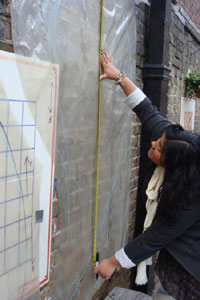
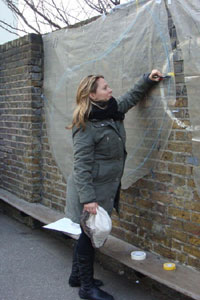
Theme and site identification: Our first meeting with you will look at what subject the work will be about and where it will be sited. It may be historical, environmental, tied into the curriculum, any subject can be worked with. | ||
 |
 |
 |
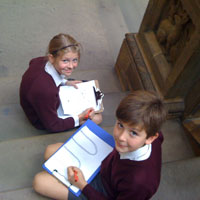
| 9. Public/pupil consultation: The next stage is to involve the wider community, whether this be local residents or the pupils - their ideas and input around the chosen theme will be key to the project's development. |
||
 |
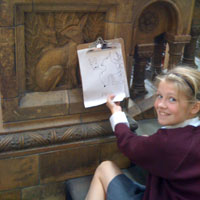 |
Our Lady of Victories Primary School (Chelsea) took inspiration from the Natural History Museum for their Ecology mural. |
 |
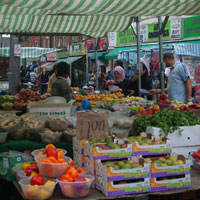 |
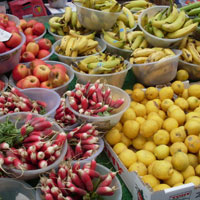
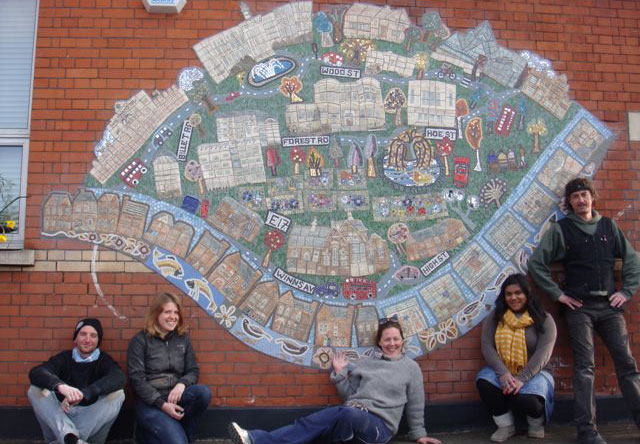
Winns Primary School (Walthamstow) decided on a local heriage mural and took inspiration local landmarks and markets. |
| 8. Fundraising if needed: If you do not have enough budget available for your project, we can bring our extensive experience of fundraising to the task. We have many successful funding applications behind us and may be able to help raise or advise you on how to raise funds. |
||
| 7. Agreement of budget: We will draw up a detailed financial budget with you, taking into account research, workshops (with pupils, teachers, parents etc), materials, designing, and the installation of the finished work. We pride ourselves on our reasonable working rates and our ability to stick to budget. |
||
| 6. Time-scale set: We will reach an agreed schedule with you for the various stages of the work, taking into account all the varied needs of your staff and pupils: we are used to fitting into your timetables and strive to make life as simple as possible for everyone. We will give you project completion dates and suggest when to organise your unveiling. |
||
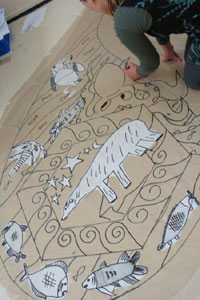
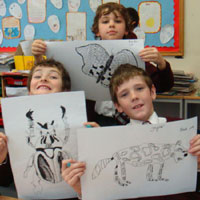
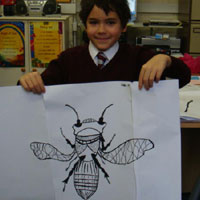
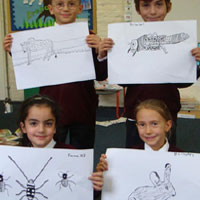
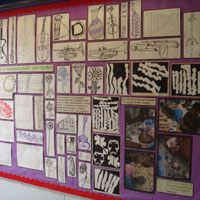
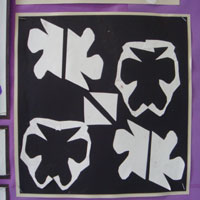
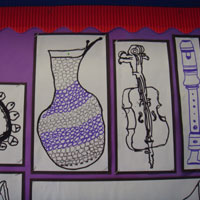
| 5. Drawing workshops: This is where your community truly gets involved in the work that they will live with and leave for those who come after. Our experienced and friendly staff will facilitate workshops which are creative, inspiring and fun for all participants. Children and community members rise to this challenge with enthusiasm and an extraordinary range of talent and ideas which allow them to really "own" the project. This series of workshops produce the drawings for the final designs. |
||
 |
 |
 |
 |
 |
 |
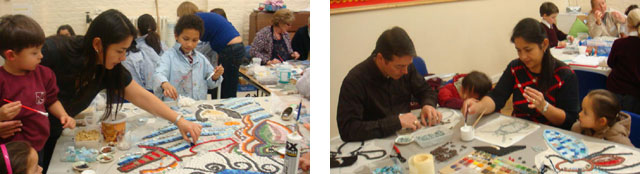
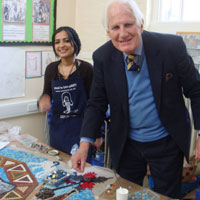
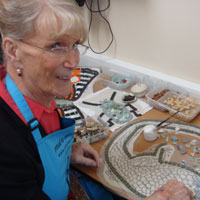
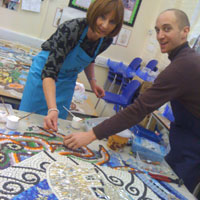
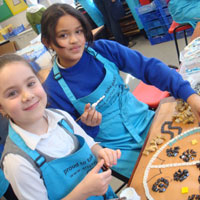
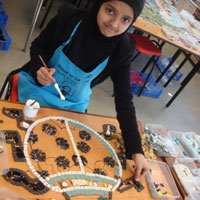
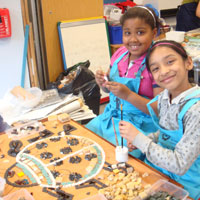
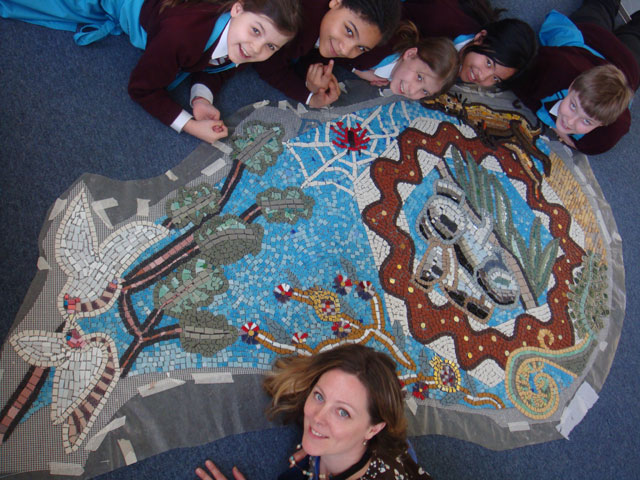
| 4. Creating the work: We now bring our particular expertise (ceramics, painting, glazing, firing, mosaic etc) as appropriate into your school, involving community members, developing skills and experiences with materials, processes and team work. We love to leave an enthusiasm where parents, teachers and pupils have their own projects planned and knowledge of processes and materials to make their own mosaics. We have helped set up small kits so the mosaic bug lives on with our pupils and they have an independence, excitement and the confidence to continue with this new hobby after we leave. |
||
 |
||
 |
 |
 |
 |
 |
 |
 |
||
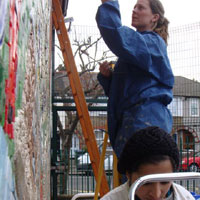
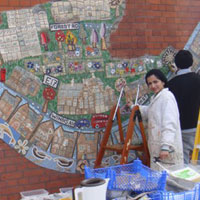
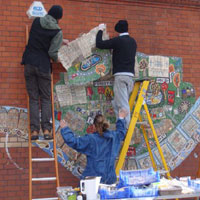
| 3. Installation: In agreement with your schedule and working times of the day/week/year when there is little disturbance and good weather, we install the finished work in situ using reliable and weatherproof techniques, using Ardex products and technical advice (thank you Colin at Ardex!). For the first time after hundreds of peoples involved and thousands of 'man-hours', the finished work can be seen in its entirety and in its intended context. |
||
 |
 |
 |
 |
||
| 2. Publicity generation: Many projects are intended for public spaces or schools, and it is often vital to publicly acknowledge the accomplishment and involvement of your community as well as the funders. We will work with you in generating contacts with local media and the community itself to prepare for an official launch or opening which provides this acknowledgement and affirmation. |
||
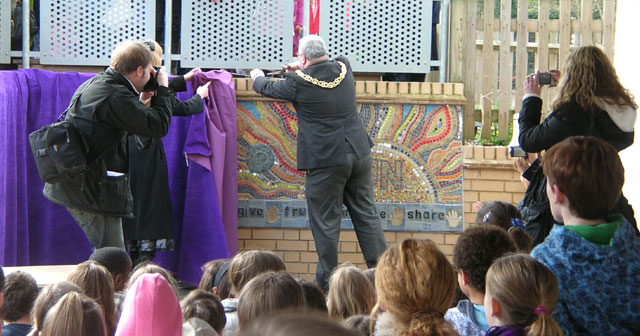
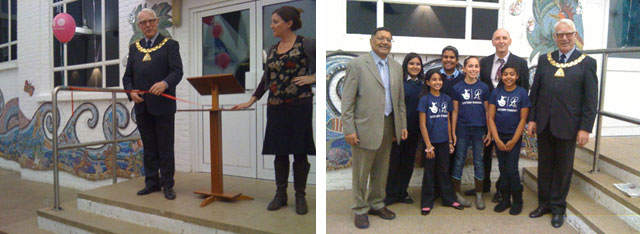
| 1. Launch: An opening ceremony which launches the work within its physical and social context, and within the minds of the community. Although there is much direct benefit to the community members who take part in its production as described above, the launch is what sets the work free to be an ongoing part of community life. It becomes a source of pride to those who took part and an inspiration to those who experience it in their shared space and will continue to do so long after the makers have moved on. |
||
 |
||
 |
||
who we are
the process
the benefits
news
project gallery
mosaic courses
open studios
press
testimonials
contact us


who we are
the process
the benefits
news
project gallery
mosaic courses
open studios
press
testimonials
contact us
who we are
the process
the benefits
news
project gallery
mosaic courses
open studios
press
testimonials
contact us
who we are
the process
the benefits
news
project gallery
mosaic courses
open studios
press
testimonials
contact us
who we are
the process
the benefits
news
project gallery
mosaic courses
open studios
press
testimonials
contact us
who we are
the process
the benefits
news
project gallery
mosaic courses
open studios
press
testimonials
contact us
who we are
the process
the benefits
news
project gallery
mosaic courses
open studios
press
testimonials
contact us
who we are
the process
the benefits
news
project gallery
mosaic courses
open studios
press
testimonials
contact us